
Can Dogs Eat Apples?
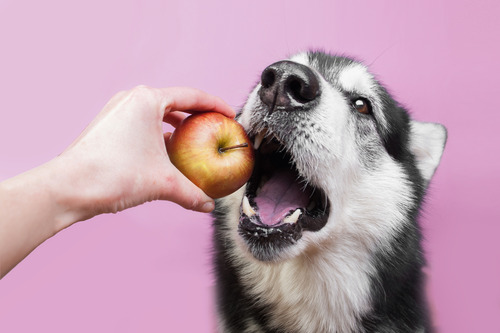
Apples are a popular snack for people, so it’s natural to wonder, can dogs eat apples? Dogs can eat apples in moderation, and many enjoy their crisp texture and naturally sweet flavor. Apples offer beneficial nutrients, but they should be prepared properly and served in appropriate portions. This blog explores how apples fit into a dog’s diet, when they may be helpful, and what pet owners in Chicago should consider before offering them. If you ever have questions about your dog’s diet, Partners Animal Hospital South Loop is here to guide you. Call (312) 319-8004 or book an appointment online.
Understanding Apples as a Snack for Dogs
Apples may seem simple, but many pet owners still search for clear answers about whether dogs can eat apples and how apples fit into everyday feeding routines. While apples are safe for many dogs, each dog has unique nutritional needs.
What Makes Apples Appealing to Dogs
Many dogs love apples due to their texture, scent, and mild sweetness. Apples contain moisture and fiber, which can help support digestion. They’re also easy to cut into bite-sized pieces, making them a convenient training reward. Because apples are low in calories and naturally refreshing, some pet owners use them as an occasional alternative to traditional treats. Understanding how your dog responds to the fruit helps you decide if this snack is a good match for their lifestyle.
Nutritional Components Found in Apples
Apples contain nutrients such as vitamin A and vitamin C. These nutrients contribute to healthy skin, coat condition, and overall vitality. The fiber content in apples can also support digestive regularity. Apples contain antioxidants, which play an important role in maintaining general wellness in active dogs. When dog owners ask, “Can dogs eat apples for health reasons?”, these nutritional details often influence their decisions. Still, apples should only serve as a supplement to a complete diet.
How Apples Fit Into a Dog’s Diet
Many pet owners want to use apples as a healthy reward, but determining how much to feed is an important part of answering whether dogs can eat apples safely. Dogs have specific dietary needs based on age, size, energy level, and health history.
Appropriate Portions for Dogs of Different Sizes
Portion size matters, especially for smaller dogs. A few small slices may be appropriate for a treat, while larger dogs can enjoy slightly more. Snacks should not make up a significant portion of a dog’s diet, even when the snacks come from whole foods. When people ask, “Can dogs eat apples in any quantity?”, the answer involves moderation. Feeding small amounts prevents unwanted digestive changes and helps maintain a stable calorie intake.
Choosing the Right Type of Apple
Most apple varieties are appropriate for dogs, including Gala, Honeycrisp, Pink Lady, and Fuji. Each type offers a slightly different texture and flavor. Fresh apples work best, since dried apples have concentrated sugar and may not be ideal for routine snacking. Many pet owners explore this topic because wondering if dogs can eat apples quickly becomes which apples are best for dogs. The simplest answer is to stick with fresh apple slices served occasionally.
How to Prepare Apples for Your Dog
Preparing apples properly helps dogs enjoy them safely. Slice the fruit into manageable pieces that your dog can chew comfortably. Remove the core, seeds, and stem before serving. Introducing apples slowly gives your dog time to adjust to the new food. When offered mindfully, apples can be an enjoyable seasonal or occasional snack.
Potential Risks to Consider Before Feeding Apples
While apples offer several benefits, it’s important to look at the full picture. Pet owners often ask if dogs can eat apples because they want reassurance that this fruit is safe. Apples are generally safe when prepared correctly, but understanding potential risks helps you choose the right approach for your dog.
Why Seeds and Cores Should Be Removed
Apple seeds contain compounds that are not suitable for pets. The core is also firm and difficult for many dogs to chew, which may present a choking concern. Removing the seeds and core eliminates these hazards and makes apples easier for dogs to enjoy. Additionally, apple cores can cause intestinal obstructions if swallowed whole. When asking, “Can dogs eat apples?”, safety steps like these are critical to consider before offering any new food.
When Apples May Not Be the Best Choice
Some dogs may be sensitive to new foods. In these cases, apples may not be the preferred treat. Dogs with certain dietary restrictions may also need alternatives. If your dog has previously reacted to fruits or high-fiber snacks, another treat may work better. Asking if dogs can eat apples is a great starting point, but understanding your dog’s specific history helps guide decisions about treats.
Feeding Frequency and Monitoring Your Dog’s Response
Introduce apples slowly and observe your dog’s response. Some dogs enjoy apples occasionally without any issue. Others may need smaller portions spread out over time. Consistent monitoring helps you decide how this fruit fits into your dog’s daily routine. While apples are safe for many dogs, careful introduction always helps pet owners stay informed.
When Apples Can Be a Fun, Enriching Treat
Many pet owners explore whether dogs can eat apples because they want creative ways to reward their dogs or add enrichment to daily routines. Apples can be part of those activities when used thoughtfully. This section explores ways apples bring variety and enjoyment to your dog’s day.
Seasonal Apple Treat Ideas
Seasonal apples can be sliced thin and served as a refreshing treat during warmer months. In fall, fresh Chicago-area apples often have a crisp texture dogs enjoy. You can incorporate apples into training sessions or use them as special rewards during family activities. Bringing seasonal produce into your dog’s routine keeps snacking fresh and interesting.
Using Apples for Training and Bonding
Apples can help build positive associations during training. Dogs that enjoy the taste may respond well to small, quick-bite pieces. The gentle crunch gives immediate feedback, making apples useful for command reinforcement. Asking, “Can dogs eat apples?” often leads to creative uses like these, especially for active dogs who enjoy interactive time with their owners.
Understanding Local Factors for Chicago Pet Owners
Chicago pet owners often pick up apples from farmers markets, local grocers, and seasonal orchards. Knowing where your apples come from can help you choose the freshest options. When shopping locally, select firm apples without bruises or soft spots. Freshness affects texture, taste, and overall snack quality for dogs. Since many residents wonder whether dogs can eat apples based on what’s available each season, choosing high-quality fruit improves the experience for your pet.
Helping Your Dog Enjoy Apples With Confidence
Offering apples can be an enjoyable part of your dog’s routine when handled carefully. As pet owners explore the question “Can dogs eat apples?”, they often want reassurance that these choices support their dog’s lifestyle. If you have questions about treats, nutrition, or feeding routines, the team at Partners Animal Hospital South Loop is happy to help guide you. Call (312) 319-8004 or book an appointment online to discuss your dog’s dietary needs with a trusted veterinary team in Chicago.
About Us
The human-animal bond is one of the most unique and meaningful aspects of life. At Partners Animal Hospital in Chicago’s South Loop neighborhood, our veterinary team aims to uphold that bond by providing the quality treatments, services, and products your animal companion deserves. With routine wellness exams, vaccinations, oral exams, diagnostics, nutritional guidance, and more, we can help to promote good health and longevity in your pet, so they can spend more healthy, carefree years with you and your family.