
Why Does My Dog Have Bad Breath?
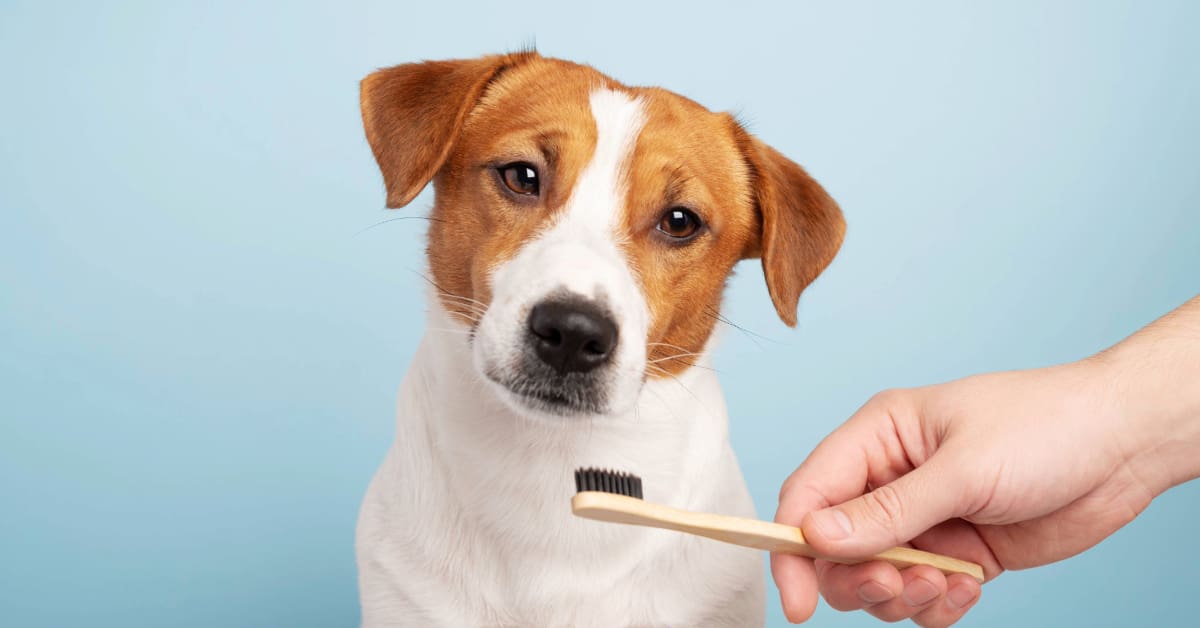
Bad dog breath is more than just an unpleasant surprise when your pup goes in for a kiss, it’s often a signal that something is going on inside your dog’s mouth or body. While a little “dog breath” is normal after meals, persistent or noticeably foul odor from your dog’s mouth usually points to an underlying health issue that deserves attention. At Partners Animal Hospital South Loop in Chicago, bad dog breath is one of the most common concerns we hear from pet owners and fortunately, it’s one of the most treatable.
Keep reading to find out why your dog has bad breath, what it might mean, and what you can do about it.
Is Bad Dog Breath Normal?
A mild odor from your dog’s mouth right after eating is not unusual. However, chronic bad breath in dogs—sometimes called halitosis—is not simply a fact of life for dog owners. Strong, persistent odors from your dog’s mouth are almost always a sign of a treatable condition. The sooner you address it, the better the outcome for your dog’s overall health.
What Causes Bad Dog Breath?
Bad breath in dogs has a range of causes, from dental disease to digestive issues to systemic health conditions. Here’s a breakdown of the most common reasons your dog’s breath might smell bad:
Dental Disease and Periodontal Disease
The number one cause of bad dog breath is dental disease. Plaque and tartar build up on your dog’s teeth over time, providing a breeding ground for odor-causing bacteria. As dental disease progresses into periodontal disease, the bacteria work their way below the gumline and create inflammation, infection, and tissue damage. By the time a dog is three years old, most show some signs of dental disease and that buildup is often the primary driver of chronic bad breath in dogs.
Something Your Dog Ate
Dogs are famously adventurous eaters. If your dog got into the trash, ate something in the yard, or sampled another pet’s food, that could explain a temporary bout of bad breath. However, if the odor is persistent and not related to a one-time eating incident, a veterinary exam is warranted.
Kidney Disease
If your dog’s breath smells like ammonia or urine, this can be a warning sign of kidney disease. The kidneys are responsible for filtering waste from the blood, and when they aren’t functioning properly, waste products can accumulate and be detected in the breath. This is a serious concern that requires prompt veterinary attention.
Liver Disease
Unusually foul or musty-smelling dog breath can sometimes point to liver disease. When the liver is not processing toxins correctly, those compounds can show up in the breath. Other signs to watch for alongside bad breath include vomiting, yellowing of the eyes or gums, and lethargy.
Diabetes
A sweet or fruity odor on your dog’s breath can be associated with diabetes mellitus. This happens when the body breaks down fat for energy instead of glucose, producing ketones that create a distinct breath odor. If you notice a sweet smell alongside increased thirst, frequent urination, or weight changes, contact your veterinarian.
Oral Masses or Foreign Objects
Growths in the mouth, infected tissue, or a foreign object lodged between the teeth or in the gums can all cause bad dog breath. These issues are not always visible to pet owners and may require an oral exam by a veterinarian to detect.
What Does the Smell of My Dog’s Breath Tell Me?
Different types of bad breath in dogs can indicate different health problems. Here’s a quick reference guide:
- Fishy or foul odor: Often dental disease, plaque, or periodontal infection
- Ammonia or urine smell: Possible kidney disease
- Sweet or fruity smell: Possible diabetes
- Musty or rotten smell: Possible liver disease or oral infection
- Garbage-like smell: Likely dietary indiscretion (ate something they shouldn’t have)
This is a helpful starting point, but the only way to know for certain what’s causing your dog’s bad breath is a veterinary examination. The team at Partners Animal Hospital South Loop will take a thorough history and perform the appropriate diagnostics.
How Is Bad Dog Breath Diagnosed?
Diagnosing the cause of dog breath problems starts with a full physical exam, including an oral examination. Your veterinarian will look for visible signs of plaque, tartar, gum disease, oral masses, and any other abnormalities. Depending on what is found, blood work, urinalysis, or dental X-rays may be recommended.
Dental X-rays are particularly valuable because a significant portion of dental disease occurs below the gumline where it cannot be seen during a routine exam. Partners Animal Hospital South Loop offers comprehensive oral health assessments to get to the root cause of your dog’s bad breath.
How Do Vets Treat Bad Dog Breath?
Treatment for bad breath in dogs depends entirely on the underlying cause. The most common treatments include:
Professional Dental Cleaning
When dental disease is the cause of bad dog breath, a professional veterinary dental cleaning under anesthesia is the gold standard treatment. This procedure allows your veterinarian to scale tartar above and below the gumline, probe for pockets of disease, take X-rays, and extract any teeth that cannot be saved. After a thorough cleaning, most dogs experience a dramatic improvement in breath odor.
Managing Systemic Disease
If bad dog breath is linked to kidney disease, liver disease, or diabetes, your veterinarian will focus treatment on managing the underlying condition. This may involve dietary changes, medications, and ongoing monitoring to support your dog’s health and quality of life.
How Can You Prevent Bad Dog Breath?
The best way to prevent bad breath in dogs is through consistent oral hygiene and regular dental care. Here are the key strategies:
- Schedule annual or biannual professional dental cleanings with your veterinarian
- Brush your dog’s teeth regularly using a dog-safe toothpaste (never human toothpaste)
- Offer dental chews or toys approved by the Veterinary Oral Health Council (VOHC)
- Feed a high-quality diet appropriate for your dog’s age and health needs
- Attend routine wellness visits so small dental issues are caught early
Our veterinary team at Partners Animal Hospital South Loop is happy to walk you through an at-home dental care routine tailored to your dog’s needs at your next appointment.
A Breath of Fresh Air for Your Dog’s Health
Bad dog breath is your dog’s way of telling you something needs attention. Whether the cause is dental disease, a dietary habit, or a systemic condition, getting to the bottom of it protects your dog’s comfort and long-term wellbeing. The good news is that most causes of bad breath in dogs are very treatable when caught early.
If your dog’s breath has been less than fresh, call Partners Animal Hospital South Loop in Chicago at at (312) 319-8004 or book an appointment online to schedule an oral health exam. Our compassionate team is ready to help your dog feel and smell their best.
About Us
The human-animal bond is one of the most unique and meaningful aspects of life. At Partners Animal Hospital in Chicago’s South Loop neighborhood, our veterinary team aims to uphold that bond by providing the quality treatments, services, and products your animal companion deserves. With routine wellness exams, vaccinations, oral exams, diagnostics, nutritional guidance, and more, we can help to promote good health and longevity in your pet, so they can spend more healthy, carefree years with you and your family.