
Dog Ear Infection Symptoms
Dog ear infections are one of the most common health issues veterinarians treat, and catching the symptoms early makes a real difference in your dog’s comfort and recovery. If your dog is scratching at their ears, shaking their head, or you’ve noticed a strange smell, there’s a good chance a dog ear infection is to blame. At Partners Animal Hospital South Loop in Chicago, we see ear infections in dogs of all breeds and ages and we’re here to help you understand what’s happening so you can take action fast.
Read on to learn what dog ear infection symptoms look like, what causes them, and when it’s time to come in for an exam.
What Is a Dog Ear Infection?
A dog ear infection, known medically as otitis, is an inflammation of the ear canal that can affect the outer ear (otitis externa), the middle ear (otitis media), or the inner ear (otitis interna). Otitis externa is the most common type and typically involves a bacterial or yeast overgrowth. While ear infections in dogs are very treatable, they can become painful and even lead to more serious complications if left unaddressed.
The ear canal in dogs is shaped differently than in humans, it has a vertical component and a horizontal component, which creates a warm, enclosed environment where bacteria and yeast can thrive.
What Are the Symptoms of a Dog Ear Infection?
Recognizing dog ear infection symptoms early is key to preventing the infection from getting worse. The signs can range from mild irritation to more obvious discomfort. Here are some of the most common symptoms to watch for:
- Frequent head shaking or tilting the head to one side
- Scratching at the ear or pawing at the face
- Redness, swelling, or warmth in the ear canal
- Dark brown, yellow, or black discharge from the ear
- A strong, unpleasant odor coming from the ear
- Crusting or scabbing around the ear opening
- Whimpering or crying when the ear is touched
- Loss of balance or disorientation (in more severe cases)
If your dog is showing one or more of these signs, a veterinary exam is the right next step. Our team at Partners Animal Hospital South Loop can quickly determine whether a dog ear infection is present and what type it is.
Can You See a Dog Ear Infection?
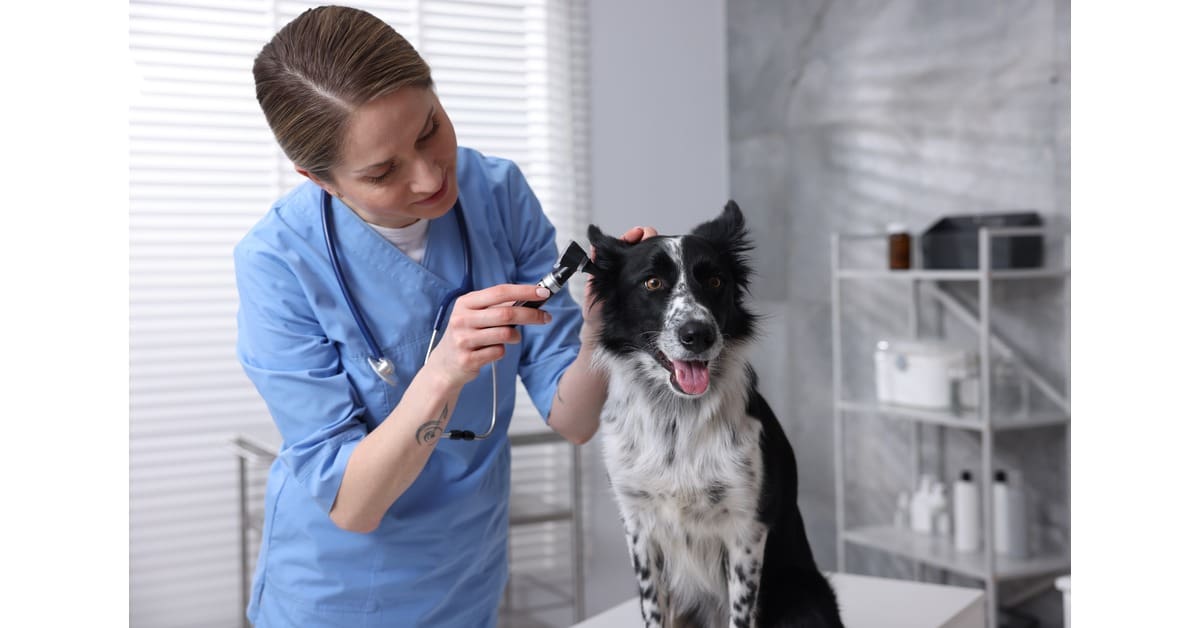
Sometimes, yes. The outer ear may appear red, inflamed, or have visible discharge. However, because the dog’s ear canal extends deep and curves, you cannot see the full extent of an ear infection with the naked eye. Your veterinarian uses an otoscope to examine the canal and eardrum, which is why professional diagnosis is so important.
Do Dog Ear Infections Hurt?
Yes. Ear infections in dogs are often quite painful, which is why dogs will scratch, shake their heads, or react when the area is touched. Chronic or recurring dog ear infections can cause even more discomfort as the tissue becomes thickened and inflamed over time. Early treatment means less pain and a faster recovery for your pup.
What Causes Dog Ear Infections?
Understanding what triggers a canine ear infection helps pet owners take better preventive steps. Dog ear infections can have several underlying causes:
Bacterial and Yeast Infections
The most common culprits behind a dog ear infection are bacteria (such as Staphylococcus or Pseudomonas) and yeast (most often Malassezia). These microorganisms live naturally on the skin but can overgrow when conditions in the ear canal become warm and moist.
Allergies
Allergies are a leading underlying cause of recurring dog ear infections. Food allergies and environmental allergies can both cause inflammation in the ear, creating the perfect environment for bacteria or yeast to thrive. Dogs with frequent ear infections often benefit from allergy testing and management.
Moisture and Water in the Ear
Dogs who love to swim or those bathed frequently are more prone to ear infections. Water that gets trapped in the ear canal creates humidity that promotes bacterial and yeast growth.
Ear Anatomy and Breed Predisposition
Dogs with long, floppy ears like Basset Hounds, Cocker Spaniels, and Labrador Retrievers are more susceptible to ear infections because airflow is restricted. Dogs with lots of hair inside their ear canals can also be more vulnerable.
Other Contributing Factors
Foreign objects (like grass seeds), ear mites, hormonal imbalances, and autoimmune conditions can all contribute to or directly cause dog ear infections. That’s why a proper veterinary diagnosis is so important as treatment depends on identifying the root cause.
Which Dog Breeds Get Ear Infections Most Often?
While any dog can develop an ear infection, some breeds are significantly more prone to them. Breeds with floppy ears, narrow ear canals, or a predisposition to allergies top the list:
- Cocker Spaniels
- Golden Retrievers and Labrador Retrievers
- Basset Hounds
- Poodles and Doodle mixes
- Shar-Peis
- French Bulldogs
If you own one of these breeds, regular ear checks should be part of your routine care. Our veterinary team at Partners Animal Hospital South Loop can show you how to safely inspect and clean your dog’s ears during your next visit.
How Are Dog Ear Infections Diagnosed?
Diagnosing a dog ear infection goes beyond a quick look in the ear. At Partners Animal Hospital South Loop, our veterinarians perform a thorough physical exam and use an otoscope to visualize the ear canal and eardrum. We also typically take a sample of any discharge for cytology, which is a microscopic examination that tells us whether bacteria, yeast, or both are present. This information directly guides the treatment plan.
In cases of chronic or recurring dog ear infections, additional diagnostics such as culture and sensitivity testing, allergy testing, or imaging may be recommended to identify the underlying cause.
When to Take Your Dog to Your Vet for an Ear Infection
You should contact your veterinarian as soon as you notice any ear infection symptoms in your dog. Early treatment is always easier, less costly, and more comfortable for your pet. Do not wait to see if dog ear infection symptoms resolve on their own. They rarely do without treatment.
Seek prompt veterinary care if your dog is showing:
- Sudden loss of balance or walking in circles
- Extreme pain when the ear is touched
- Significant swelling or bruising of the ear flap
- Facial drooping or eye changes
- No improvement after completing a prescribed treatment course
These can be signs of a more advanced or complicated infection that needs immediate attention.
How Are Dog Ear Infections Treated?
Treatment for a dog ear infection depends on the type, severity, and underlying cause. Your veterinarian will typically:
Thoroughly clean the ear canal in the clinic. This is often necessary because medication cannot penetrate through heavy debris.
Prescribe a topical ear medication formulated to address bacteria, yeast, or mites or a combination of all three. In some cases, systemic antibiotics or anti-inflammatories may also be prescribed.
For dogs with chronic or recurring ear infections, managing the root cause such as treating allergies or addressing anatomy issues is essential to long-term relief. Our veterinary team at Partners Animal Hospital South Loop will develop a care plan tailored to your dog’s specific needs.
Can Dog Ear Infections Be Prevented?
While you can’t always prevent a dog ear infection, there are steps you can take to reduce the risk. Regular ear checks, keeping the ears dry after swimming or bathing, and routine veterinary care all help. Your vet can also recommend an ear cleaning solution appropriate for your dog’s ear type and show you the correct technique for safe at-home maintenance.
Managing underlying allergies is one of the most effective ways to reduce recurring dog ear infections. Discussing your dog’s allergy history with your veterinarian can open the door to treatments that break the cycle of chronic infections.
Your Dog’s Ears Deserve Attention Year-Round
Dog ear infections are common, but they should never be ignored. The sooner you recognize the signs of a canine ear infection and bring your dog in for care, the better the outcome. At Partners Animal Hospital South Loop, we are committed to helping Chicago pet owners give their dogs the attentive, compassionate care they deserve.
If your dog is showing any symptoms of an ear infection, call Partners Animal Hospital South Loop today at (312) 319-8004 or book an appointment today. We’re here for you and your dog every step of the way.
About Us
The human-animal bond is one of the most unique and meaningful aspects of life. At Partners Animal Hospital in Chicago’s South Loop neighborhood, our veterinary team aims to uphold that bond by providing the quality treatments, services, and products your animal companion deserves. With routine wellness exams, vaccinations, oral exams, diagnostics, nutritional guidance, and more, we can help to promote good health and longevity in your pet, so they can spend more healthy, carefree years with you and your family.