
What Is a Fear Free Certified Vet?
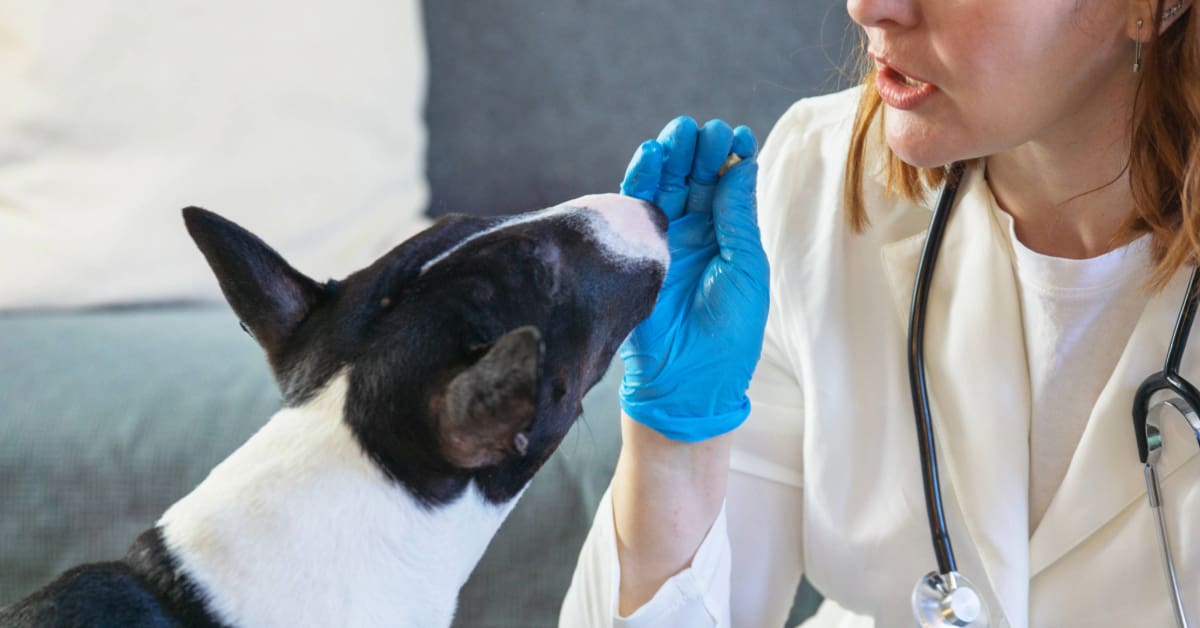
If you’ve booked an appointment and noticed the words “Fear Free Certified vet” on a clinic’s website, you might be wondering what that actually means for your pet. A Fear Free Certified vet is a veterinarian who has completed specialized training in reducing fear, anxiety, and stress in animals during exams, procedures, and everyday handling. The goal isn’t just a calmer waiting room. It’s a fundamentally different approach to veterinary care, one built around low-stress handling, gentler exam techniques, and a genuine understanding of animal body language. For pet owners in Chicago who dread the drive to the vet almost as much as their dog or cat does, working with a Fear Free Certified vet at Partners Animal Hospital South Loop can turn a stressful routine into something far more manageable for everyone involved.
Being a Fear Free Certified vet requires more than good intentions. It’s a formal credential with real standards behind it, and understanding what goes into that certification helps explain why the difference is so noticeable the moment you walk through the door.
What Does Fear Free Certification Actually Involve?
Fear Free certification comes from a program built by veterinary behavior experts specifically to address the anxiety pets experience in clinical settings. A Fear Free Certified vet completes coursework covering species-specific stress signals, touch gradients, and handling techniques designed to keep animals below their fear threshold throughout a visit.
The Coursework Behind the Credential
The certification process is rigorous, and it covers far more than a single afternoon seminar. Candidates work through modules built around real clinical scenarios, not just general theory about animal behavior.
- Coursework spans modules on feline-specific handling, canine body language, and stress reduction techniques for exotic and pocket pets
- Certified professionals must pass an exam demonstrating knowledge of pheromone use, sedation protocols, and environmental modification
- Recertification is required periodically, so a Fear Free Certified vet stays current as new research on animal behavior and welfare emerges
Why It Extends Beyond the Exam Room
Because the standards apply to the whole practice environment and not just clinical skill, becoming a Fear Free Certified vet also means rethinking exam room layout, appointment scheduling, and even how staff greet pets at check-in. Lighting, flooring, and even the placement of the scale can factor into how a visit is designed.
How Is a Fear Free Certified Vet Different From a Regular Vet?
A Fear Free Certified vet doesn’t work in isolation. The certification also touches scheduling practices, exam room design, and the flow of a typical visit, all aimed at minimizing the buildup of stress before a pet ever reaches the exam table.
Beyond a Friendly Bedside Manner
Pet owners often assume a friendly staff is enough to make a visit low-stress, but a Fear Free Certified vet approaches the entire appointment differently from the moment a pet walks in. Traditional veterinary training focuses primarily on medical competency, while Fear Free training layers behavioral science on top of that foundation. That distinction matters most during moments that would otherwise spike a pet’s anxiety, like nail trims, blood draws, or vaccinations.
A few specific differences tend to stand out to pet owners once they’ve experienced both styles of care:
- Exam rooms are often designed with non-slip flooring, calming pheromone diffusers, and quiet corners where anxious pets can decompress before handling begins
- Appointments may be scheduled with extra buffer time so a Fear Free Certified vet never has to rush a nervous animal through an exam
- Treats, gentle restraint alternatives, and species-appropriate positioning replace forceful hands-on techniques whenever possible
A Different Standard for Handling
This isn’t about being permissive with pets that need medical attention. It’s about recognizing that a calmer patient is often a safer, easier patient to examine, which benefits both the animal and the veterinary team. A struggling, frightened pet is harder to assess accurately, and a Fear Free Certified vet is trained to recognize that stress itself can skew vital signs and behavior during an exam.
What Training Do Fear Free Certified Vets and Staff Complete?
Becoming a Fear Free Certified vet involves a structured curriculum that goes well beyond a single certificate. The program requires ongoing education for veterinarians, technicians, and support staff alike, since a consistent low-stress experience depends on everyone in the building following the same principles.
Veterinarian-Level Training
Initial certification for a Fear Free Certified vet typically includes coursework on the physiology of fear and stress in companion animals, practical training in low-stress restraint, and instruction on reading subtle behavioral cues that indicate rising anxiety. Veterinarians also learn to adjust their pacing and communication style based on how an individual pet is responding in real time.
Training Doesn’t Stop With the Veterinarian
The full veterinary team plays a role in keeping a visit consistent with Fear Free principles, since a single stressed interaction at check-in can undo careful work done later in the exam room.
- Veterinary technicians and assistants complete their own certification tracks covering handling techniques and stress-reducing communication with pets
- Front desk staff often receive training on how check-in procedures, waiting room noise, and client interactions affect a pet’s stress level before the exam even starts
- Ongoing continuing education keeps the entire team, not just the Fear Free Certified vet, aligned on current best practices
This team-wide approach is part of why Fear Free clinics tend to feel noticeably different from a typical veterinary office, right down to how the receptionist greets a nervous dog at the door.
How Can I Tell If a Vet Clinic Is Fear Free Certified?
Not every clinic that claims to be low-stress has gone through the formal process, so it helps to know what to actually look for when searching for a Fear Free Certified vet in your area.
Verifying the Credential
The most direct way to confirm a veterinarian’s credentials is to check the Fear Free directory or ask the clinic directly, since legitimate certification is a matter of public record. Clinics that have earned the designation are typically glad to talk about what it involves, since it reflects real investment in staff training.
Signs to Look For During a Visit
A few signs typically point to a genuinely Fear Free-certified practice, and most of them are noticeable within the first few minutes of an appointment:
- The clinic displays Fear Free certification badges on its website or in the physical office space
- Staff can describe specific low-stress handling techniques they use, rather than offering vague reassurances about being “gentle”
- The practice offers accommodations like pre-visit medication protocols or separate cat and dog waiting areas
At Partners Animal Hospital South Loop, pet owners can ask directly about Fear Free training during a first call or consultation, since transparency about certification status is part of what sets a genuinely Fear Free Certified vet apart from a clinic simply using the term as a marketing buzzword.
What a Fear Free Approach Means for Your Next Visit
Choosing a veterinarian trained in this approach can change the entire texture of routine vet visits, from annual wellness checks to more involved procedures. A Fear Free Certified vet brings a level of intentionality to handling that many pets respond to almost immediately, often walking into the exam room with far less resistance than they would at a traditional clinic.
For Chicago pet owners weighing their options, that difference tends to show up in small ways first: a cat that doesn’t need to be pulled out of the carrier, a dog that takes treats instead of trembling on the scale. Those small moments add up over a lifetime of veterinary visits, shaping whether a pet dreads the car ride or barely notices it. Partners Animal Hospital South Loop applies these principles across routine and specialty visits alike, so pets and their owners can both look forward to appointments instead of dreading them. Call us at (312) 319-8004 or book an appointment online to schedule your pet’s Fear Free appointment today.
About Us
The human-animal bond is one of the most unique and meaningful aspects of life. At Partners Animal Hospital in Chicago’s South Loop neighborhood, our veterinary team aims to uphold that bond by providing the quality treatments, services, and products your animal companion deserves. With routine wellness exams, vaccinations, oral exams, diagnostics, nutritional guidance, and more, we can help to promote good health and longevity in your pet, so they can spend more healthy, carefree years with you and your family.