
What Are Some Fear Free Handling Techniques?
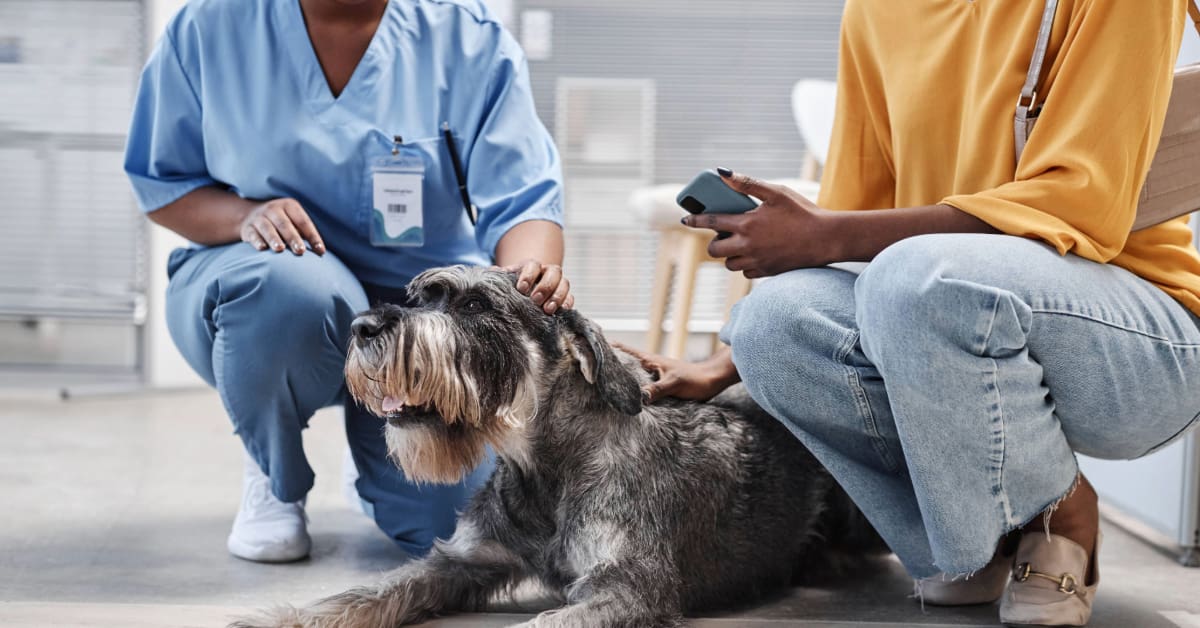
Fear Free handling techniques include specific ways of holding, positioning, and interacting with pets that reduce fear, resistance, and struggle during a vet visit, such as supportive body positioning, reward-based cooperation, and giving an animal choices during an exam whenever possible. Rather than relying on physical restraint to get through an appointment, these techniques work with a pet’s natural instincts instead of against them. A dog that’s guided into position with treats and a calm voice, or a cat that’s allowed to stay wrapped in a familiar towel during an exam, is far less likely to fight back than one that’s pinned down or forced into place. Partners Animal Hospital South Loop trains our entire team in these methods, since the specific tactics used in the exam room often make the biggest difference in how a pet experiences a visit. Knowing what these techniques actually look like in practice can help pet owners understand what to expect, and why a visit built around them tends to go so differently than a traditional one.
What Techniques Do Fear Free Vets Use to Keep Pets Calm?
Fear Free handling techniques rely on reading an animal’s body language moment to moment and adjusting the approach before stress has a chance to build. Rather than following a fixed script for every pet, staff trained in these methods respond to what each individual animal is signaling.
Supportive Holds and Positioning
Instead of pinning a pet down, staff use supportive positioning that keeps an animal feeling secure rather than trapped. A cat wrapped snugly in a towel during a nail trim, for example, often stays calmer than one held with bare hands and direct pressure.
Several specific positioning methods show up frequently during routine appointments:
- Towel wraps that keep a cat’s body supported while leaving the area being examined accessible
- Elevated platforms or non-slip mats that give dogs stable footing instead of a slick, unfamiliar exam table
- Chin rests and hand targets that teach a dog to hold still voluntarily rather than being physically held in place
Reading the Room Before Starting
Staff trained in Fear Free handling techniques often pause before beginning a procedure to gauge a pet’s current stress level, sometimes stepping back or slowing the pace if early signs of tension appear. This pause-and-reassess habit is one of the simplest Fear Free handling techniques to apply, yet it’s often the one that prevents a manageable moment from turning into a full-blown struggle later in the appointment.
How Do Fear Free Vets Use Treats and Rewards During Visits?
Food and reward-based motivation form a core part of Fear Free handling techniques, since a pet that’s focused on a treat is often distracted from whatever would otherwise cause anxiety.
Matching the Reward to the Pet
Not every pet responds to the same reward, so staff typically keep a range of options on hand and pay attention to what actually works for the animal in front of them. A dog that ignores kibble might respond readily to a small piece of chicken or cheese, while a cat might prefer a lick of wet food from a syringe. Figuring out a pet’s specific motivator is often one of the first steps in applying Fear Free handling techniques effectively, since a reward that doesn’t interest the animal won’t do much to redirect its focus.
A few reward strategies come up consistently across Fear Free-trained clinics:
- High-value treats reserved specifically for vet visits, so the reward feels novel and worth paying attention to
- Continuous treat delivery during a stressful step, like a vaccination, rather than a single treat offered before or after
- Praise and gentle physical reassurance paired with treats for pets that are motivated more by attention than food
Building Positive Associations Over Time
Consistent reward use across multiple visits helps a pet build a lasting positive association with the clinic itself, not just with a single appointment, which is part of why these Fear Free handling techniques tend to compound in effectiveness the longer a pet has been coming in. A dog that’s built up months of positive, treat-reinforced visits often walks into the lobby with visibly looser body language than one experiencing that same routine for the first time.
What Role Does the Exam Room Environment Play in Fear Free Care?
The physical space where an exam happens is just as much a part of Fear Free handling techniques as anything staff do directly with a pet’s body. Sights, sounds, and smells all factor into how quickly an animal settles.
Sensory Adjustments That Matter
Small environmental details can make a meaningful difference in how a pet responds once inside the exam room. Bright overhead lighting, loud conversations, or the lingering scent of another anxious animal can all work against otherwise solid handling technique. Staff who’ve internalized Fear Free handling techniques tend to notice these details automatically, adjusting a room’s lighting or closing a door to muffle noise before a pet even shows outward signs of discomfort.
Clinics built around these principles typically make a handful of consistent adjustments to the physical space:
- Softer lighting and quieter exam rooms designed to lower overall sensory input during a visit
- Separate waiting areas or scheduling blocks for cats and dogs to reduce cross-species stress in the lobby
- Non-slip surfaces throughout the clinic, since unstable footing is one of the most common and overlooked stress triggers for dogs
Designing the Visit, Not Just the Room
Environmental control extends to how a visit is paced and sequenced, with staff often choosing to examine the least stressful areas first and building toward anything a pet might find more uncomfortable. These sequencing choices count among the more overlooked Fear Free handling techniques, since the order of an exam can matter almost as much as the individual steps themselves.
How Do Fear Free Vets Handle Pets Who Are Already Stressed or Scared?
Even with careful preparation, some pets arrive already anxious, whether from a bad experience in the car, a previous rough visit elsewhere, or simple unfamiliarity with the clinic. Fear Free handling techniques include a specific set of responses for exactly this situation.
Slowing Down Instead of Pushing Through
When a pet arrives already stressed, staff trained in these techniques generally slow the pace rather than trying to push through a full exam on the original timeline. That might mean spending extra minutes letting a dog explore the room on its own before any hands-on contact begins. Partners Animal Hospital South Loop’s team is trained to recognize when a pet needs this kind of adjustment and to make the shift without the owner having to ask for it.
When to Reschedule or Sedate
In some cases, the most humane option is to stop and reschedule rather than force a pet through a procedure while it’s in genuine distress. For pets with a documented pattern of extreme fear, staff may recommend a pre-visit sedative or anti-anxiety medication prescribed in advance so the appointment itself starts from a calmer baseline. Knowing when to pause rather than push forward is itself one of the more advanced Fear Free handling techniques, and it requires staff to prioritize a pet’s long-term comfort over finishing a single visit on schedule.
Putting Fear Free Handling Techniques Into Practice
None of these approaches require a pet to be perfectly calm from the start. Fear Free handling techniques are built specifically for the reality that many pets arrive nervous, and the goal is always to meet an animal where it is rather than force compliance.
Partners Animal Hospital South Loop applies these methods across every appointment, giving Chicago pet owners an animal hospital where handling is built around what actually helps a pet feel safe, not just what’s fastest to get through. Whether a visit is routine or more involved, the same set of Fear Free handling techniques carries through from check-in to checkout. Call us at (312) 319-8004 or book an appointment online today.
About Us
The human-animal bond is one of the most unique and meaningful aspects of life. At Partners Animal Hospital in Chicago’s South Loop neighborhood, our veterinary team aims to uphold that bond by providing the quality treatments, services, and products your animal companion deserves. With routine wellness exams, vaccinations, oral exams, diagnostics, nutritional guidance, and more, we can help to promote good health and longevity in your pet, so they can spend more healthy, carefree years with you and your family.